







Search Results for: ARC Coffee
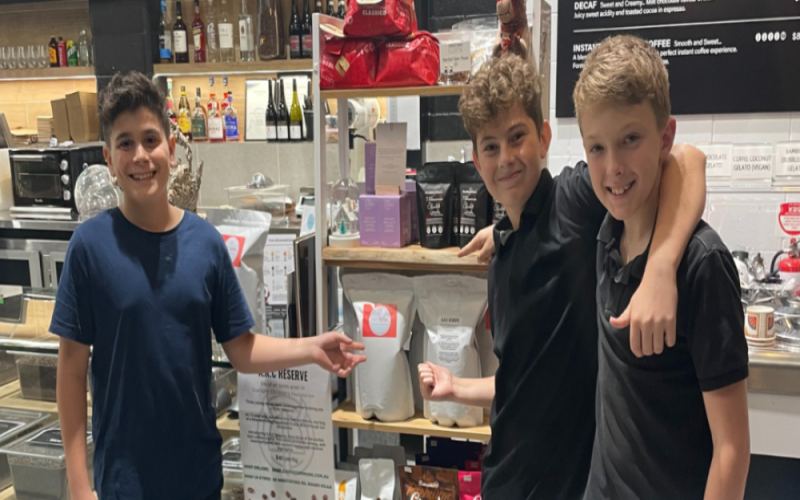
Three 12-year-old Australian teenagers founded the ARC coffee brand: an entrepreneurial journey from a school assignment to specialty espresso blends
While most 12-year-olds are still adjusting to school life, three teenagers from Australia—Arlee, Rocco, and Cristiano—have turned a school holiday assignment into a real coffee company: ARC Inc. From visiting local roasting workshops to finalizing their blend, from designing the brand identity to going door-to-door to sell their product, they personally completed the entire process of green bean selection, roasting quality control, packaging design, and sales planning. They created an espresso blend that combines flavors from Brazil, Australia, and Costa Rica, and donate 5% of the net income from each bag to a children's charity. This is not just a story about coffee, but also a practical lesson in growing up—about collaboration, gratitude, and the power of taking action. [more…]
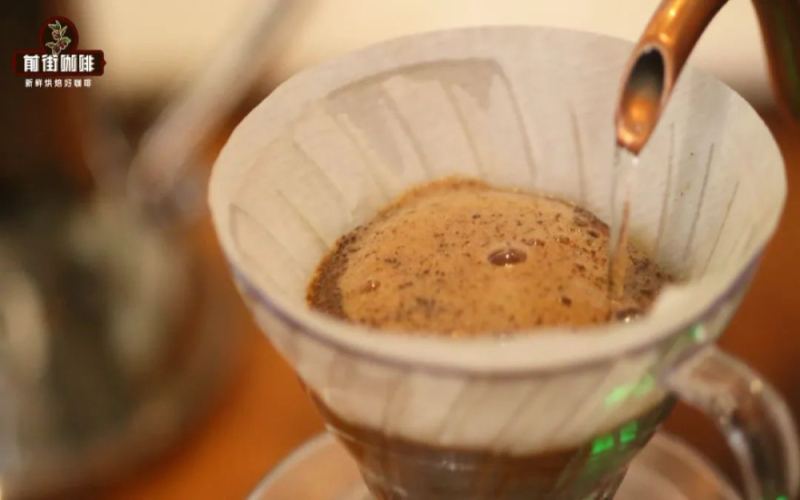
How Pour Height Shapes Pour-Over Coffee Flavor—A Practical Analysis of Extraction Force, Temperature, and Water Stream Verticality
When brewing pour-over coffee, do you tend to keep the spout close to the surface of the liquid, or pull out a long stream of water? Front Street has found that most enthusiasts' pouring height fluctuates between 0 and 7 centimeters. A seemingly tiny difference can profoundly change the flavor expression in the final cup through three aspects: penetration force, degree of heat loss, and the verticality of the water stream. This article will break down the actual effects of different pouring heights from a physical perspective, and combine them with Front Street's comparative experiment data to help you understand the pros and cons of high-position and low-position pouring. Whether you are a beginner pursuing stable extraction or an advanced player looking to refine your technique, you can find a pouring strategy that suits you. [more…]

A Complete Guide to Water Control Techniques in Pour-Over Coffee: Systematic Training from Flow Rate and Pouring Height to Circular Pouring Technique
The flavor profile of pour-over coffee depends to a large extent on the stability of the pouring. Many enthusiasts plan their brewing parameters in advance, but once they start, the water flow becomes difficult to control, and the final result is left to chance. Drawing on Front Street's practical experience, this article systematically lays out training methods for the fundamental skill of water control, including how to choose and hold a pour-over kettle, the key points for controlling a vertical stream, reference ranges for flow rate and pouring height, and the correct path for circular pouring along with common mistakes. Through progressive practice, it helps you improve your feel for starting and stopping the pour during actual brewing, making extraction more even and the flavor closer to the ideal. [more…]
A Complete Analysis of Jamaican Blue Mountain Coffee Beans' Flavor and Mouthfeel: From Origin Conditions to Grade Classification and Pour-Over Tasting Guide
Jamaican Blue Mountain coffee has long been regarded as a benchmark in the coffee world, and its balanced, clean cup and lingering sweetness have captivated countless enthusiasts. This article begins with the geography of the Blue Mountains, then traces the region's distinctive growing and harvesting methods, its meticulous green bean processing, and the historical arc from Japan's long-standing dominance of the trade to the opening of the Chinese market. It also explains in detail the CIB's official standards for defining the Blue Mountain production area and grading its coffee, and offers practical ways to identify genuine Blue Mountain beans. Drawing on hands-on experience at Front Street Coffee's shops, the article also shares pour-over tasting approaches for specialty Blue Mountain, helping readers gain a full understanding of this classic coffee's unique value. [more…]
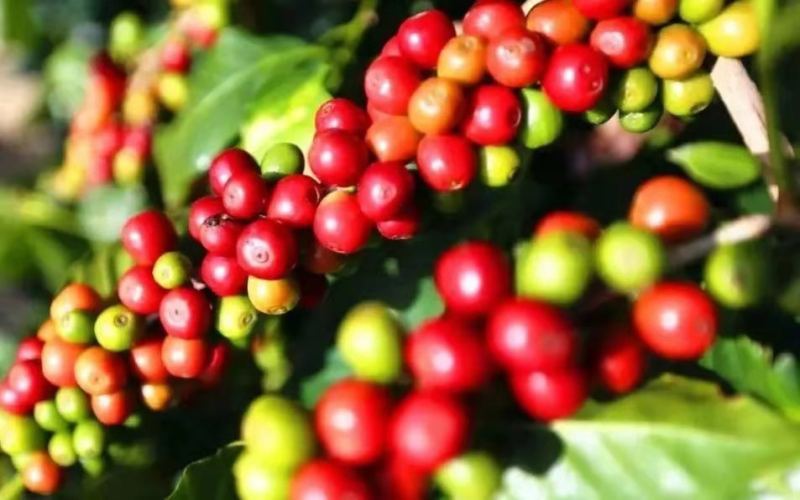
Arabica, Robusta, and Liberica: Flavor Differences and Main Producing Countries of the Three Native Coffee Species
The landscape of the coffee world is shaped by three primary species: Arabica, Robusta, and Liberica. Each has its own strengths in terms of yield, flavor, growing conditions, and uses. Arabica dominates with about 75% of the market, Robusta accounts for roughly 20%, while Liberica makes up only about 2%. This article will systematically outline the origins, major producing countries, flavor characteristics, and roles in the coffee industry of these three species, and also introduce representative beans sold by Front Street Coffee. Whether you are a beginner just getting into coffee or an enthusiast seeking more advanced knowledge, you will gain a clear framework for understanding coffee varieties and how different beans shape the flavors in your cup. [more…]

Why has latte coffee remained popular for so long? Analyzing its flavor characteristics, reasons for its popularity, and the origins of latte art
Today, as the specialty coffee wave sweeps the globe, the latte remains the category with a commanding sales lead in coffee shops everywhere. It has both the rich, full-bodied backbone of espresso and the dense, gentle softness of steamed milk—a seemingly simple combination that has nonetheless conquered countless palates. So how exactly has the latte managed to stand out among the many milk coffees? How has its definition evolved over time? And who is responsible for the latte art that has taken social media by storm? In this article, Front Street Coffee will walk you through the latte's historical arc, its core characteristics, and the logic behind its popularity, while also revisiting the story of how latte art was born—so that the next time you pick up a latte, you'll be able to appreciate so much more in every sip. [more…]
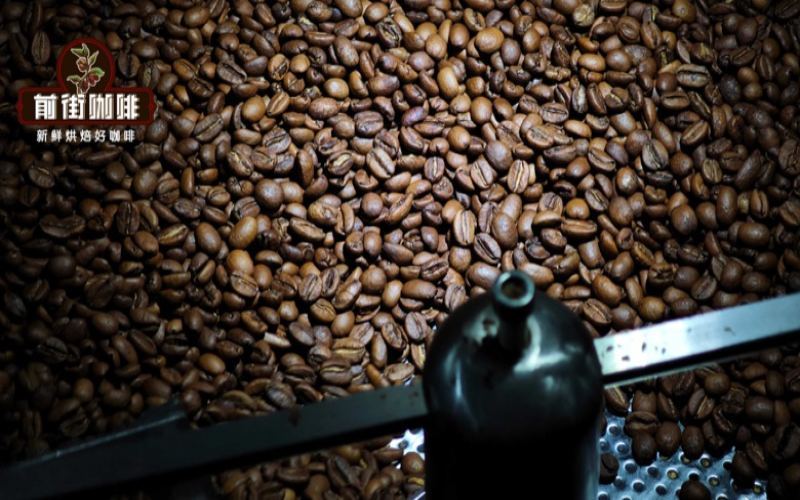
Sweet aftertaste coffee beans: a flavor path with low acidity and lingering sweetness
Beans with understated acidity and a prominent sweet finish place their flavor emphasis on sweetness and aftertaste: natural (dry) processing and medium-dark roasting round off the acidity, leaving a lingering sweetness. Front Street Coffee's Ethiopian Huakui has a sweet finish with a passion fruit aftertaste; the acidity on the palate flashes by, and sweetness takes over the second half. In Kafa Forest, the sweetness actually becomes more pronounced as the temperature drops. [more…]
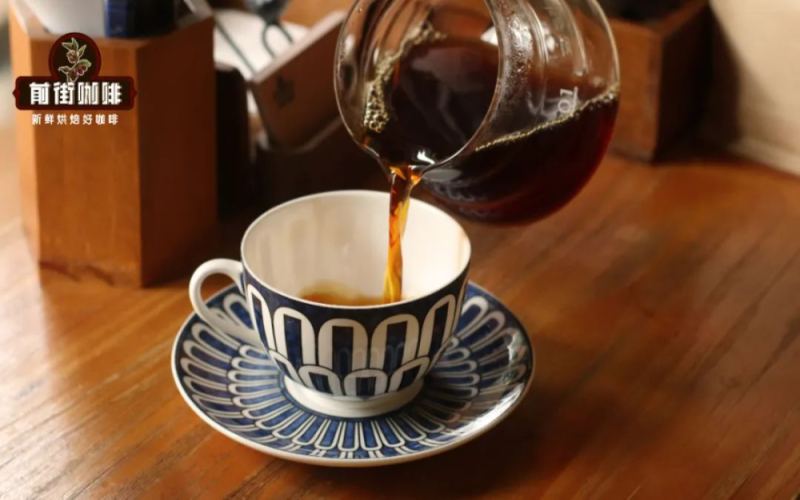
From Water Flow to Flavor: The Practical Impact of Different Pouring Strategies on Coffee Extraction Results
The pouring technique is an extremely critical variable in pour-over coffee extraction. The size of the water stream, the speed of the circular motion, and the rhythm of pouring all directly affect the release efficiency of soluble substances, thereby changing the final flavor direction. This article starts with several typical pouring styles—high-flow fast circling, low-flow steady pouring, and common mistakes in staged remediation—and analyzes the actual effects they bring during extraction. At the same time, specific operational suggestions are given for different roast levels: how medium-light roasts can highlight floral and fruity acidity through staged large-circle pouring, and how medium-dark roasts can use a coin-sized thin stream in circular motion to strengthen the nutty and chocolatey base notes. Through these analyses, the hope is to help enthusiasts control flavor expression more precisely in daily brewing. [more…]
How to Determine the Grind Size for Pour-Over Coffee? A Full Analysis of Standard Sieve Calibration Methods and Extraction Flavor Issues
When brewing pour-over coffee at home, do you find that the taste is always off even though your steps seem fine? Front Street Coffee, drawing on feedback from enthusiasts, has sorted out common flavor issues related to grind size selection and brewing. This article will walk you through how to use 0.85mm and 0.25mm sieves to assess grind distribution, the ideal pass-through rate and extraction time references for light-roast pour-over, and the six major causes of bitterness, off-flavors, and sourness along with corresponding adjustment methods, helping you find the grind coarseness and brewing parameters that suit you. [more…]
Kalita all-copper pour-over kettle hands-on test: can the Japanese Kalita pour-over kettle be heated on a gas stove, and gear brand recommendations
Want to get your hands on a handy pour-over kettle but don't know where to start? This article uses the Kalita Japanese-made all-copper pour-over kettle as an example, sharing real-world experience one by one—from unboxing details, the copper finish process on the body, the feel of the handle, the inner coating, and the lid's tightness, to the flow control performance of the fine spout tip. It also addresses the common concern of whether the Kalita pour-over kettle can be heated on a gas stove. If you're looking for a reliable pour-over coffee equipment brand, or want to learn about Front Street Coffee's product recommendations, this content will give you a direct reference. [more…]
A Complete Guide to Arabica Coffee Bean Varieties: From Growing Conditions to the Flavor Characteristics of Yunnan Small-Bean Coffee
Arabica coffee beans are widely recognized as one of the finest and most expensive varieties in the coffee world. Originally from Ethiopia, they account for about 70% of global coffee production. The plant is extremely demanding when it comes to its growing environment, requiring high altitude, fertile soil, and ample moisture, and it has weak resistance to pests and diseases, resulting in relatively low yields. This article will provide a comprehensive introduction to Arabica from the perspectives of variety characteristics, growing conditions, physical appearance, caffeine content, and flavor performance, and will also extend to the well-known domestic Yunnan small-bean coffee, giving you insight into the unique charm of this category from origin to cup, while also sharing related recommendations from Front Street Coffee. [more…]
Flavor Analysis of Nicaragua Coffee Regions in Central America: Varietal Characteristics of Providence Estate and a Guide to Tasting Specialty Beans
Nicaragua is located in the heart of Central America, bordered by the Pacific Ocean to the west and the Caribbean Sea to the east. Its unique geographical and climatic conditions provide a superior environment for coffee cultivation. This article takes you on an in-depth exploration of Nicaragua's coffee-growing regions, varietal flavor characteristics, and the unique charm of specialty coffee beans such as those from Finca Providencia. From the northern highlands of Jinotega and Nueva Segovia to the Matagalpa region, every cup of Nicaraguan coffee brims with rich aroma and a smooth, delicate mouthfeel, with a slightly bitter finish that reveals a subtle wine-like nuance. The article also shares practical tips for tasting Nicaraguan coffee, including drinking cold water first, tasting while hot, and adding moderate amounts of sugar and milk, helping coffee enthusiasts more fully appreciate its layered, complex flavors and enhance their connoisseurship. [more…]
A Complete Analysis of the Arabica Coffee Family Varieties: Is Typica Classified Within the Arabica Camp?
The coffee world is complex and diverse, but the two most common commercial bean species are undoubtedly Arabica and Robusta. This article systematically reviews the production distribution, growing environments, and flavor characteristics of the world's three major native coffee varieties, with a focus on analyzing the Typica sub-variety under the Arabica species—from botanical classification to cup performance, answering the common question of whether Typica belongs to Arabica. The article also introduces Front Street Coffee's variety profile and includes a flavor description of Typica in the Yunnan production region, helping enthusiasts build a clear framework for understanding coffee varieties. [more…]
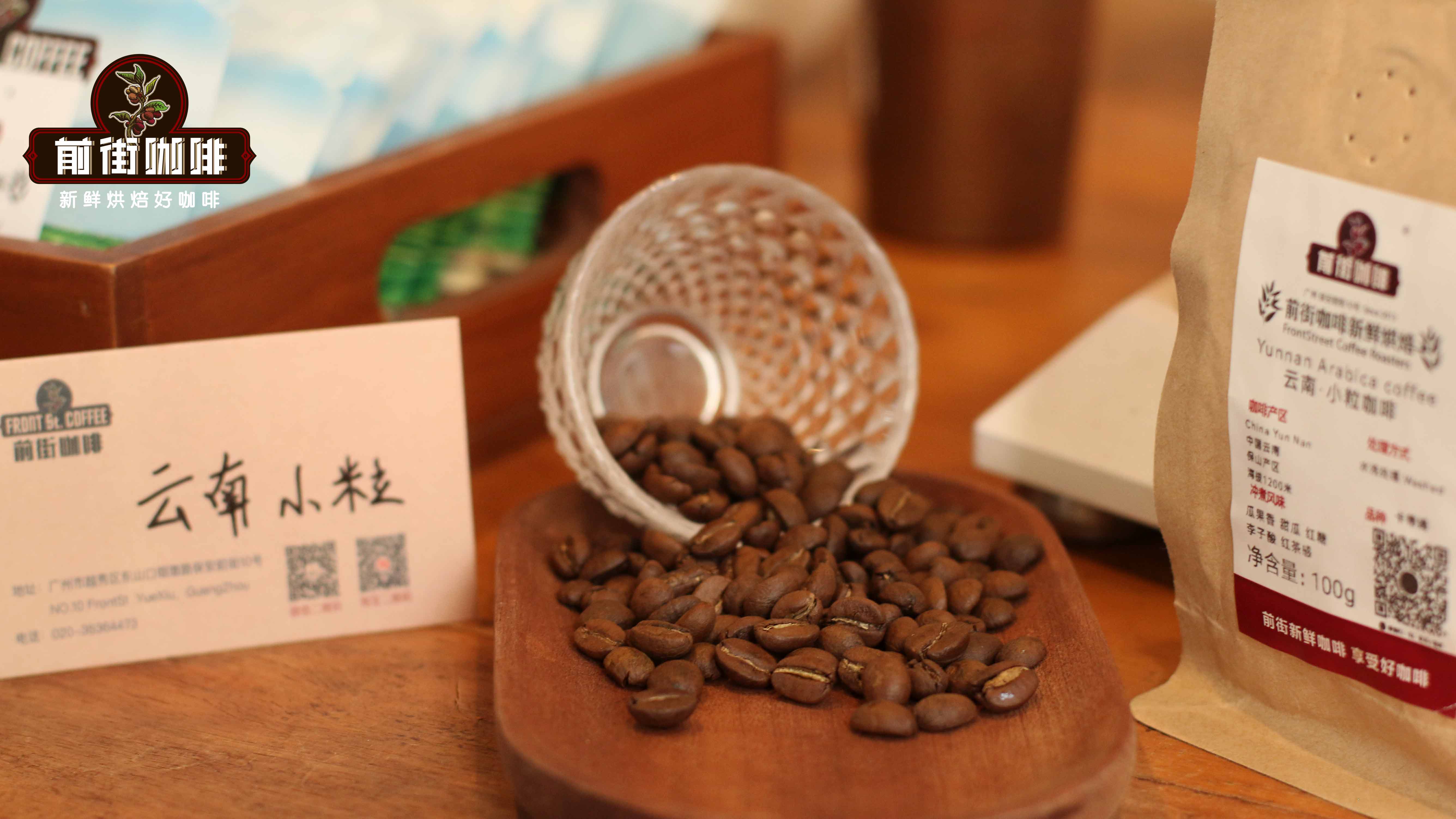
Yunnan Small-Bean Coffee Typica Variety Analysis: A Complete Guide from Variety Characteristics to Cold Brew Preparation
Yunnan, as China's main coffee-producing region, is represented by its small-bean coffee of the Typica variety, which showcases a clean and balanced specialty character. Starting from Front Street Yunnan coffee varieties, this article systematically reviews the varietal characteristics of Arabica and Typica, and breaks down in detail the production process and key parameters of Typica cold brew. Whether you want to understand the flavor sources of Yunnan coffee or hope to make a smooth-tasting cold brew at home, this complete guide from variety to extraction provides practical reference. [more…]

From Vienna to the Espresso Bar: A Detailed Guide to the History, Classic Recipe, and Making Techniques of Latte Coffee
Latte is one of the most frequently ordered espresso drinks in cafés, yet its origins, recipe ratios, and preparation details are often richer than one might imagine. This article begins with the Blue Bottle coffeehouse in Vienna in 1683, sorts out the differences between latte and café au lait, explains in detail the standard method for making an espresso latte, extraction parameters, dosing and tamping techniques, and milk frothing skills, and introduces how Front Street Coffee's classic espresso blend performs in actual service. Whether you are an enthusiast wanting to learn about latte culture or a professional practicing the fundamentals of being a barista, you will find useful reference here. [more…]

A Detailed Guide to Coffee Latte Art for Beginners | Which Coffee Beans Are Suitable for Latte Art? How Do You Make a Heart-Shaped Latte Art Pattern on an Espresso Latte?
Latte art in espresso coffee is the best expression of the fusion between hot milk and coffee liquid. At Front Street Coffee, when making milk coffee, there are always customers who request latte art. In latte art, steaming milk is crucial—only by creating smooth, silky milk foam can the flavor of milk coffee be fully expressed. [more…]
How Should You Set the Water Temperature for Pour-Over Coffee? A Detailed Guide to the Ideal Brewing Temperature for Coffee Beans of Different Roast Levels
Brewing a good cup of coffee—water temperature is one of the key variables. This article uses pour-over coffee as an example to systematically explain the complete process from warming the cup and grinding the beans to blooming and brewing, and focuses on analyzing the optimal water temperatures corresponding to coffee beans of different roast levels. Deep-roasted charcoal coffee and medium-dark-roasted Front Street Blue Mountain have obvious differences in grind size and water temperature settings. The article also provides specific operational details on calculating coffee dose, equipment pairing, and blooming and brewing, helping coffee enthusiasts reliably reproduce a balanced cup of pour-over coffee at home. [more…]

Can Brewing Coffee with a Clay Pot Really Reduce Bitterness? The Principle and Practical Guide to Japan's Tokoname-ware Dripper
Many coffee enthusiasts buy all the equipment only to find cleaning a hassle, and the gear gradually gathers dust. A company under Amazon Japan has launched a product that looks like a teapot but is actually a coffee brewer, with an extremely minimalist structure—just a high-density filter added at the spout. Its body uses the thousand-year-old Tokoname-yaki craft, firing iron-rich clay unglazed, preserving its porous absorbency, which can adsorb the compounds in coffee that cause off-flavors. The bitterness of coffee mainly comes from chlorogenic acid lactones and phenylindanes, and the clay pot's structure can effectively reduce these unpleasant flavors. Using immersion extraction, by controlling water temperature and the coffee-to-water ratio, you can get a clean, full-bodied cup of coffee in 2-3 minutes. This article explains its principles and key operating points in detail. [more…]

Luckin and Dazheng Capital Set Their Sights on Blue Bottle Coffee and %Arabica, Expanding the Specialty Coffee Acquisition Map
Bloomberg recently reported that Luckin, China's largest coffee chain, and its core investor Centurium Capital, are setting their sights on Blue Bottle Coffee, the specialty coffee brand under Nestlé, aiming to boost overseas market recognition and move into the high-end specialty segment. At the same time, Luckin has also expanded its acquisition options to the operator of %Arabica in China. Previously, Luckin had followed up on Coca-Cola's planned sale of Costa, but that bidding has faced the risk of falling through. A string of acquisition moves has led netizens to jokingly call Luckin the "Anta of the coffee world," while some worry that Blue Bottle's brand tone could be affected after being acquired. The related talks are still at an early stage, and whether a deal can ultimately be reached remains uncertain. [more…]

Analysis of the Causes of Moka Pot Coffee Splattering and Sharing of Four Practical Solutions
If your moka pot coffee won't come out after heating, or suddenly erupts in a violent spray, you're not alone—many enthusiasts have run into this problem. What's really behind this phenomenon is closely tied to the pressure in the lower chamber: as the water heats up, it produces steam, and the steam compresses the space to create a pushing force that drives hot water through the coffee bed to become coffee liquid. The stronger the pressure, the more forceful the flow, and when it exceeds what the pot body can withstand, it splashes. So which practices lead to abnormal pressure? And how should you adjust to keep the flow steady and smooth? This article analyzes the causes one by one from four angles—water volume, coffee grind size, bean roast level, and flame intensity—and offers specific, actionable ways to improve. It also recommends espresso blends suited to moka pots to help you make coffee with rich crema and a full-bodied taste. [more…]